
After years of fainting episodes and misdiagnoses, Chevy’s family finally uncovered Catecholaminergic Polymorphic Ventricular Tachycardia—and began rebuilding his life with strength and hope.
By Chelsi M. and The SADS Foundation
Updates February 19 2026 | 7 min read
“As soon as they monitored his heart during the events, they found it.”
Years Without Answers
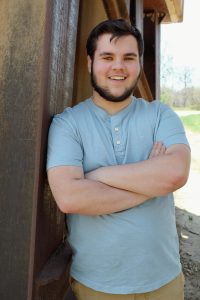 Chevy is 17 now – funny, kind, and the kind of kid people remember after meeting him. But his family’s journey to a diagnosis started long before they ever heard the words Catecholaminergic Polymorphic Ventricular Tachycardia (CPVT).
Chevy first began showing signs something wasn’t right when he was just four years old. He would pass out during emotional moments or physical activity, and each trip to the hospital brought a new explanation. At first, doctors thought he was having tantrums – holding his breath until he fainted. Another time, it was “post-concussion syndrome” after he hit his head during an episode. Then it was “fainting in general.” Eventually, he was diagnosed with epilepsy, even though there was no evidence on an EEG. His symptoms “fit,” they said, and he was started on anti-seizure medication.
But nothing changed. Chevy kept passing out.
At one point, the neurologist told the family they needed to stop calling 911 when it happened – that emergency services were for “true emergencies,” and that his epilepsy wasn’t life-threatening and he would grow out of it. So when Chevy collapsed in their living room in February 2017, his parents didn’t call right away. They followed the plan they’d been given and gave him diazepam. But he didn’t wake up.
His dad sensed something was different and started CPR immediately while his mom called 911. Chevy was shocked, intubated, and transferred to another hospital. Initial testing suggested he had no brain damage. He woke up and started talking again.
But then the “episodes” started.
Chevy would scream, then faint – over and over. His heart rate would spike. His family begged the medical team to intervene, but they were told it was constipation, or delirium, and that his heart was fine. They left a defibrillator outside his room, but he wasn’t being monitored. For days, the episodes continued until his parents pushed again: please monitor his heart during these events.
As soon as they did, they found it.
Finally, a Diagnosis
Chevy was transferred to a larger children’s hospital, where doctors suspected CPVT. Later, his family learned the cause was a mutation in the CALM2 gene. Chevy needed an implanted cardioverter defibrillator (ICD), and he was started on flecainide and nadolol – medications that help control or prevent dangerous heart rhythms.
Heartbreakingly, they learned that Chevy’s episodes at the previous hospital had contributed to a global hypoxic-ischemic encephalopathy (HIE), a type of brain injury caused by lack of oxygen.
Chevy had to relearn everything.
He worked his way back to basics: learning to talk again, to walk again, to eat on his own. Therapy became part of life – physical therapy, occupational therapy, speech therapy – and he made huge leaps, step by step, milestone by milestone. Today, Chevy still has challenges, but he’s also thriving. He’s graduated from physical therapy and continues with occupational and speech therapy.
“Step by step, milestone by milestone.”
His biggest hurdles are still learning to navigate life with both HIE and CPVT – Chevy has to be careful not to let his heart rate climb too high, and emotional surges like excitement or fear can be difficult to manage, especially with his brain injury making regulation even harder.
A Full Life
Even with all of that, Chevy’s world is full.
He loves listening to music. He goes to church every week, where he’s built a big circle of friends. He plays baseball through the Miracle League. He’s into video games and loves watching football. And through it all, Chevy has held onto something that can’t be measured by tests or diagnoses: an unmistakably positive spirit. His family hears it often – people telling them Chevy is one of the nicest people they’ve ever met.
Whenever he has the chance to spread awareness about CPVT, he’s all in. He’s participated in multiple research studies, and each time he’s happy to help – and wants research and awareness can change for the next family searching for answers.
Chevy’s story is a reminder that persistence matters. Listening matters. Monitoring matters. And earlier recognition of inherited arrhythmias can change lives.
Need help now? Connect with our Family Support Team for referrals, resources, and community.
Contact | Get Support | Donate
Chevy is my heart nephew. Everytime I see him, he is smiling. He has such a great heart! He’s sweet and caring. He also has a big appetite!! That boy can eat. Love seeing him and his sister! Love them both.